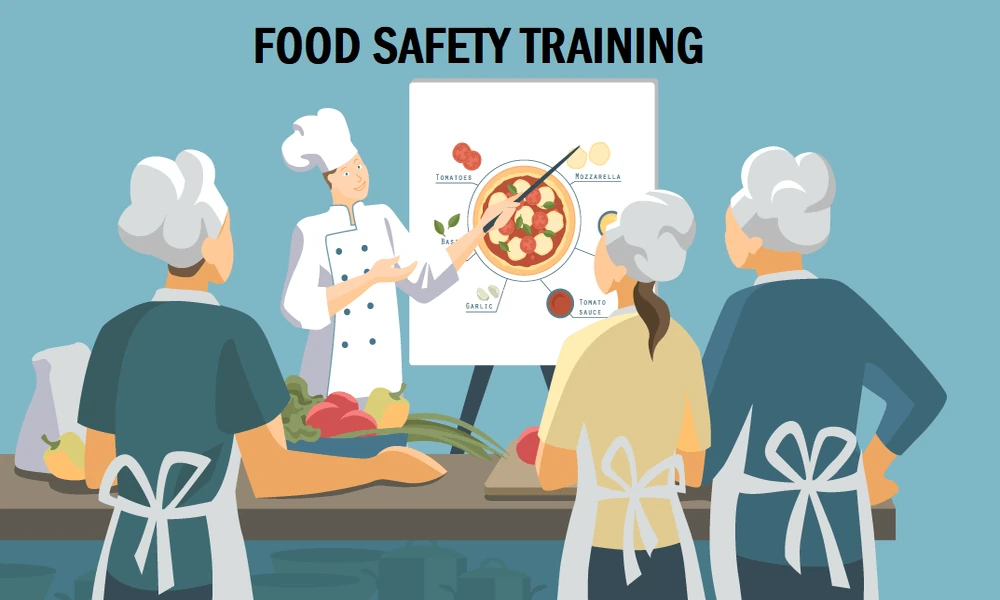
Food Hygiene Training is the foundation of safe food preparation, teaching staff how to prevent contamination, control temperatures, and maintain clean working practices. It matters because every food business in Ireland is legally required to ensure staff are trained appropriately for their duties. Irish HACCP’s online HACCP Food Safety Level 1 & 2 course delivers this training quickly, giving staff a recognised Food Handler Certificate without the disruption of in-person classes.
Quick Answer
Food Hygiene Training teaches the safe handling, storage, and preparation of food to prevent illness. Key facts: it’s a legal requirement under EU law, covers personal hygiene and contamination control, and typically takes one to two hours online. Benefit: staff gain practical skills and a verifiable Food Handler Course certificate. Why it matters: untrained handling is the leading cause of preventable foodborne illness outbreaks.
Understanding Food Hygiene Training
Food hygiene training explains how bacteria grow, how cross-contamination occurs, and how correct cooking and storage temperatures stop foodborne illness. It works by combining theory (hazard types, allergens, cleaning schedules) with practical application in daily kitchen routines. This matters industry-wide because the Food Safety Authority of Ireland (FSAI) holds businesses accountable for staff competency, not just paperwork. Restaurants, cafés, food trucks, and retail food counters across Ireland all fall under this requirement.
Key Benefits of Food Hygiene Training
- Reduced risk of foodborne illness: Trained staff recognise hazards before they become incidents, protecting customers directly.
- Legal compliance: Completing a recognised Food Hygiene Certificate demonstrates due diligence during HSE or environmental health inspections.
- Lower business risk: Fewer incidents mean less exposure to fines, closures, or reputational damage.
- Staff confidence: New employees handle food correctly from day one rather than learning by trial and error.
- Insurance benefits: Some insurers consider documented training when assessing liability cover for food businesses.
- Career value: A Food Handler Course certificate is portable and recognised across Irish hospitality employers.
- Customer trust: Visible commitment to hygiene standards builds reputation, especially important for tourism-facing venues.
Step-by-Step Process
- Choose your course level – Level 1 for general staff, Level 2 for supervisors – at irish-haccp.ie.
- Complete the online modules, covering hygiene, hazards, allergens, and cleaning.
- Take the short assessment to confirm understanding.
- Receive your certificate instantly upon passing.
- Apply training daily, reinforcing habits like handwashing, correct storage, and labelling.
Important Statistics and Industry Insights
Foodborne illness remains a persistent public health concern across the EU, with the European Food Safety Authority regularly reporting outbreaks linked to improper handling and storage. Irish hospitality has also seen a steady shift toward online compliance training, driven by staffing turnover and the need for fast onboarding. Demand for flexible, mobile-friendly courses has grown sharply since hospitality businesses returned to full staffing levels post-pandemic, with many Irish employers now treating online HACCP training as standard onboarding practice rather than an afterthought.
Common Mistakes to Avoid
- Assuming experience replaces training: Even experienced cooks need formal certification for compliance records.
- Ignoring allergen labelling: Failure to train staff on the 14 EU allergens is a common inspection failure point.
- Delaying refresher training: Knowledge gaps grow over time; periodic refreshers close them.
- Incomplete record-keeping: Certificates should be filed and accessible for inspection, not just emailed once.
- Treating training as a one-off: New menu items or processes should trigger updated training, not just new hires.
Expert Recommendations
In our experience supporting Irish food businesses, the most successful operators build training into onboarding checklists rather than treating it as optional. We’ve found that pairing Level 1 training for all staff with Level 2 for at least one supervisor per shift creates stronger day-to-day compliance. Choosing an accredited, FSAI-aligned provider like Irish HACCP ensures the certificate holds up under scrutiny.
Frequently Asked Questions
Q: What is the difference between food hygiene and HACCP training? A: Food hygiene training covers personal and kitchen hygiene basics; HACCP adds structured hazard analysis, typically required for supervisors.
Q: Is Food Hygiene Training mandatory in Ireland? A: Yes, under EU food hygiene regulation, all food handlers require training appropriate to their role.
Q: How quickly can I get a Food Handler Certificate? A: Through Irish HACCP’s online course, certification is typically completed same-day.
Q: Do part-time or seasonal staff need training too? A: Yes, training requirements apply regardless of employment status or hours worked.
Q: Can I complete the course on a mobile device? A: Yes, the course is designed to work across desktop and mobile devices.
Q: Does the certificate need to be renewed? A: A 3-year refresher cycle is widely recommended, though no fixed legal expiry exists.
Q: Is the training suitable for non-native English speakers? A: The course uses clear, plain language designed for accessibility across diverse workforces.
Q: What topics are covered in Food Handler Training? A: Personal hygiene, contamination control, temperature management, allergens, and cleaning schedules.
Conclusion
Food Hygiene Training is not paperwork – it’s the practical skillset that keeps customers safe and businesses compliant. Irish HACCP’s online HACCP Food Safety Level 1 & 2 course delivers a recognised Food Handler Certificate quickly and affordably. The main takeaway: train every food handler, refresh regularly, and choose a provider built for Irish compliance. Visit www.irish-haccp.ie to get started, or email info@irish-haccp.ie with questions.
